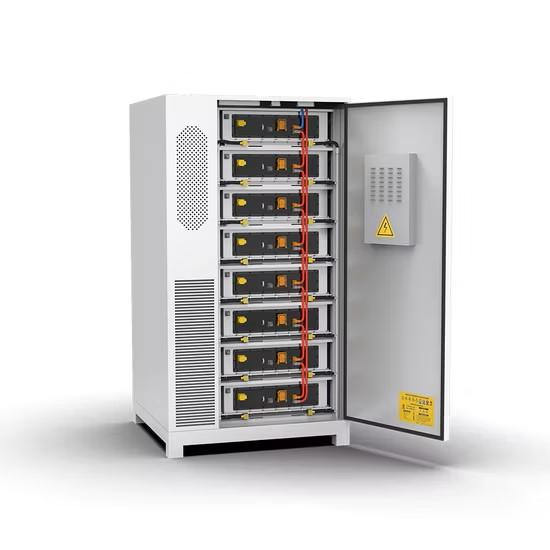
Containerized Energy Storage Systems

Store megawatt-hours. Deploy in weeks.

Solstice ESS delivers pre-engineered, containerized battery storage — from a single 2.5 MWh unit to a full battery yard — built for utilities, industrial sites, and microgrids.

Configuration shown
3 units
Total capacity
7.5 MWh
UL 9540A certified
20-year design life
Grid-tied or islanded operation
Remote SCADA monitoring
ESS container deployment
The process

From load study to grid-synchronized storage.

Every deployment starts with your interconnection point and load profile — the container configuration follows from that, not the other way around.

01

Site & load assessment

Interconnection review, load profile analysis, and pad or land requirements confirmed before design begins.

02

Engineering & permitting

Single-line diagrams, fire safety review, and utility interconnection agreement handled by our engineering team.

03

Factory-built deployment

Containers arrive pre-assembled and factory-tested, then craned into place — no on-site battery assembly.

04

Commissioning & monitoring

Grid synchronization, SCADA integration, and 24/7 remote monitoring from the day the system goes live.

Per-container specifications

One container. A predictable set of numbers.

Every Solstice ESS container ships to the same spec, so scaling from one unit to ten is a repeat order, not a redesign.

Usable capacity
2.5 – 3.0 MWh
Rated power
1,250 kW
Cell chemistry
LFP (Lithium Iron Phosphate)
Cycle life
6,000+ cycles @ 80% DoD
Footprint
20-ft ISO container envelope
Operating temperature
−20°C to 50°C
Enclosure rating
IP55 / NEMA 3R
Fire safety
Aerosol suppression + thermal runaway detection
Communications
Modbus TCP/IP, SCADA-ready
Design life
20 years
Applications

One platform, four ways to put it to work.

The same container hardware supports very different jobs — the control software is what changes.

Peak shaving

Discharge during demand peaks to cut demand charges without curtailing operations.

Backup power

Seamless UPS-grade backup for critical loads during grid outages.

Renewable integration

Smooth solar and wind output and shift generation into higher-value hours.

Microgrid & islanding

Disconnect from the grid automatically and keep a site powered on its own.

How many containers does your site need?

Move the slider to the daily energy you need to shift or back up — this sizes a configuration in whole container units.

7.5 MWh
Containers required 3 units
Total installed capacity 7.5 MWh
Total rated power 3,750 kW
Deployments

What ESS containers do once they're live.

7.5 MWh
3-container array

Demand charges were our biggest line item. The array now covers our top usage windows automatically, no manual switching involved.

Plant Engineer — manufacturing facility
40%
Curtailment reduction

The storage absorbs excess output during peak sun hours and releases it in the evening, instead of us curtailing generation.

Asset Manager — solar farm
100%
Uptime through outages

Two grid outages since commissioning, and the switchover was invisible to our operations team both times.

Facilities Director — data center campus
Questions

What engineering teams ask before ordering.

Most single- to multi-container projects go from signed order to commissioning in 12–20 weeks, depending on permitting and utility interconnection timelines.

Every container is UL 9540A tested for thermal runaway propagation, with integrated aerosol suppression and continuous cell-level monitoring.

Yes — the switchgear and SCADA architecture are designed with expansion in mind, so additional units connect without re-engineering the original system.

Each container ships with a 20-year performance warranty, and remote monitoring flags degradation or faults before they affect availability.

Get a proposal sized to your load.

Free site and load assessment, with a real container configuration — not a rough estimate.

Scroll to Top